

Mastering the Usage of “都” (dōu) in Chinese Grammar
The adverb 都 (dōu) is used to express “all” in Chinese. …
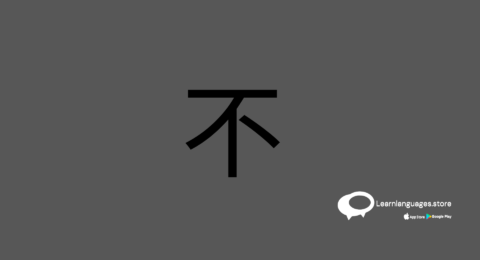
Standard Negation with “Bu” in Chinese Grammar
Introduction:不 (bù) is a fundamental element in Chinese grammar used for …
Mastering the Usage of “都” (dōu) in Chinese Grammar
Introduction: In Chinese grammar, the adverb “都” (dōu) holds significant importance …

Mastering the Japanese Particle まで (Made): The Gateway to Limits and Endpoints
INTRODUCTION: Welcome to our comprehensive guide on the Japanese particle まで …
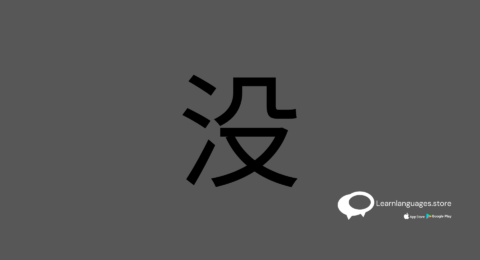
The Special Case of Negating “Have” with 没 (méi) in Chinese
In Chinese, the verb 有 (yǒu), meaning “to have,” is negated …

Mastering the “Also” Adverb “Ye” in Chinese Grammar
The adverb “ye” (也) in Chinese is equivalent to “also” or …

Exploring the Japanese Particle から (kara): The Gateway to Origin and Time
INTRODUCTION: Welcome to our detailed exploration of the Japanese particle から …
Mastering the “also” adverb “ye” in Chinese Grammar
In Chinese, the adverb “also” or “too” is expressed as 也 …

Expressing Actions in Progress with “Zai” (ज़ाई)
Chinese में, 在 (zài) और 正在 (zhèngzài) का उपयोग ongoing या …

Expressing Actions in Progress with “zai”
Understanding 在 (zài) and 正在 (zhèngzài) 在 (zài) and 正在 (zhèngzài) …
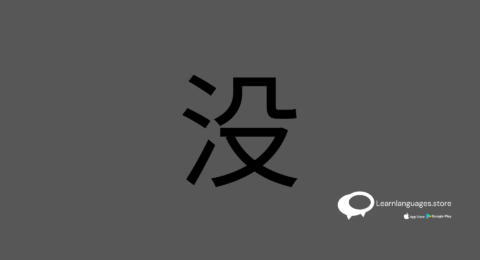
The Verb 有 (yǒu) and its Negation in Chinese Grammar
Introduction: The verb 有 (yǒu) is an essential component of Chinese …

Mastering the Japanese Particle の (no): Possessive/Attribute Marker
INTRODUCTION: Welcome to our in-depth exploration of the Japanese particle の …